

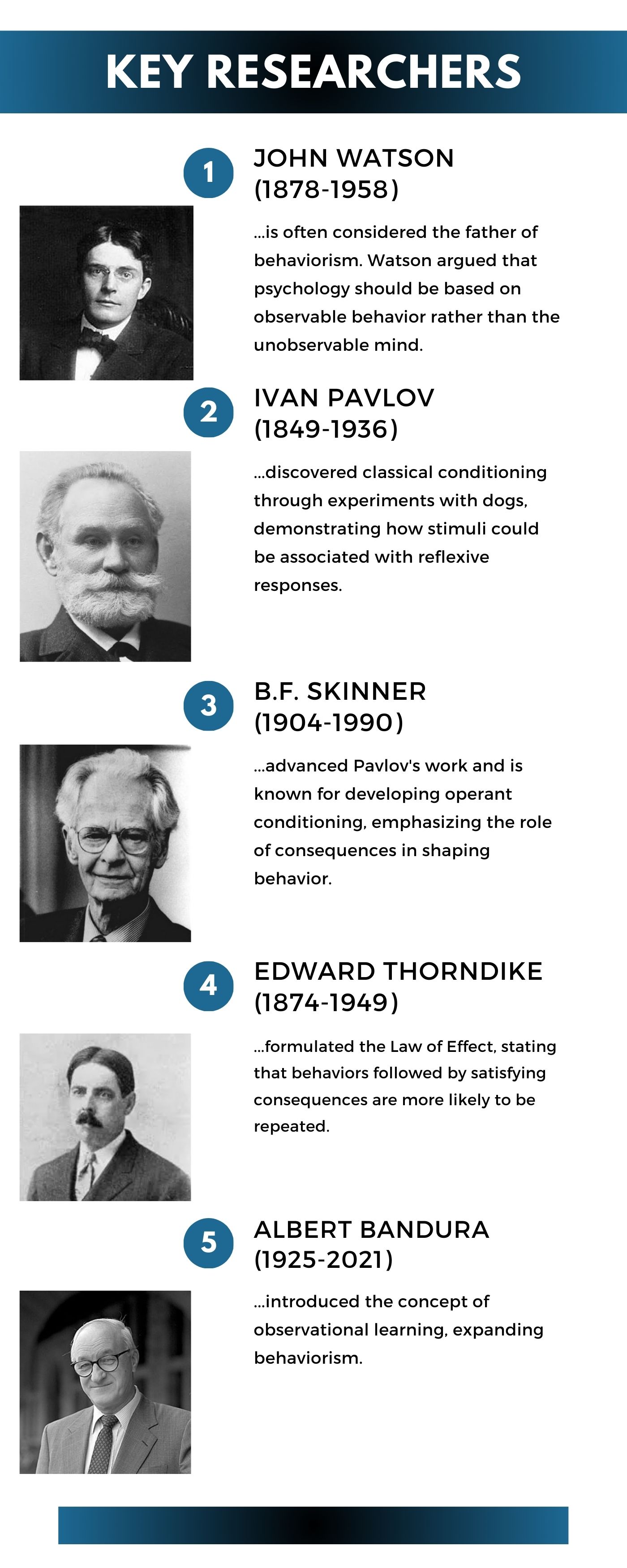
Origins, Key Contributors, Dates:
Behaviorism key concepts, applications, and limitations:




Learning Scenario
Scenario: A non-profit organization fighting the opioid epidemic is training it’s staff members and members of the public on how to properly administer Narcan (naloxone), a very effective emergency treatment for opioid overdose.
Goals: Participants can correctly identify an opioid overdose, and they can correctly administer Narcan.
Approach: Behaviorism with focus on objective, observable, measurable behaviors.
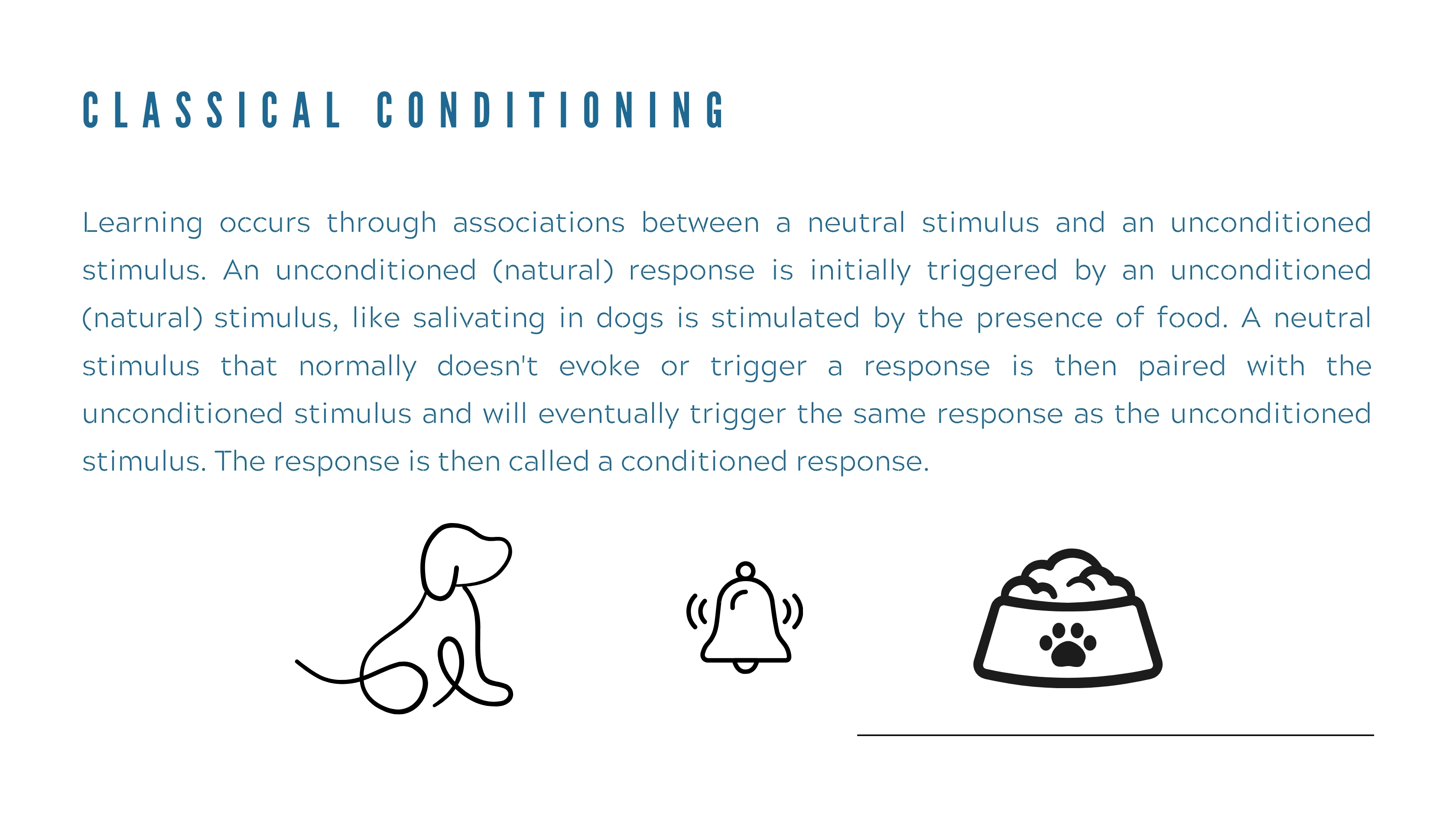
Stimulus: Simulated overdose scenarios using prerecorded video clips, annotated pictures, and verbal descriptions of scenarios.
Response: Identification of the overdose and the correct administration of Narcan.
Introduction: The instructor introduces the session and explains the importance of Narcan in saving lives. Participants are informed that they will be able to chose from a variety of responses and their choices will be reinforced through immediate feedback and rewards.
Interactive Training Session: A series of video recordings of a person simulating either an opioid overdose (e.g., unresponsive, slow or no breathing) or something else that looks similar to but has a distinct sign of not being an overdose.
- Participants must identify signs of overdose (e.g., unresponsiveness, pinpoint pupils) and call for emergency help.
- Participants then choose the sequence of steps to correctly apply Narcan nasal spray or inject Narcan as per the training instructions.
Reinforcement Strategies:
Positive Reinforcement:
- Each correct identification and administration of Narcan earns the participant a point.
- A certain number of points are needed to earn a certificate of attendance.
- Unlimited attempts are allowed to ensure that each participant will eventually receive their certificate.
Negative Reinforcement:
- If a participants fails to identify the overdose or the steps to correctly administer Narcan, they receive immediate corrective feedback and a brief additional instruction session to reinforce the correct procedure. They are directed to repeat that particular scenario.
Observable Behavior:
Correct Identification of symptoms:
- Participants consistently identify overdose signs accurately and promptly.
Proper Narcan Administration:
- Participants indicate correctly that they know all of the steps for administering Narcan, including checking for responsiveness, calling for help, and applying the medication.
Confidence and Speed:
- Participants demonstrate increased confidence and speed in their actions, indicating proficiency and comfort with the procedure.
Engagement and Participation:
- Participants finish the module by completing all of the scenarios presented.
 Better Learning Design